
guide
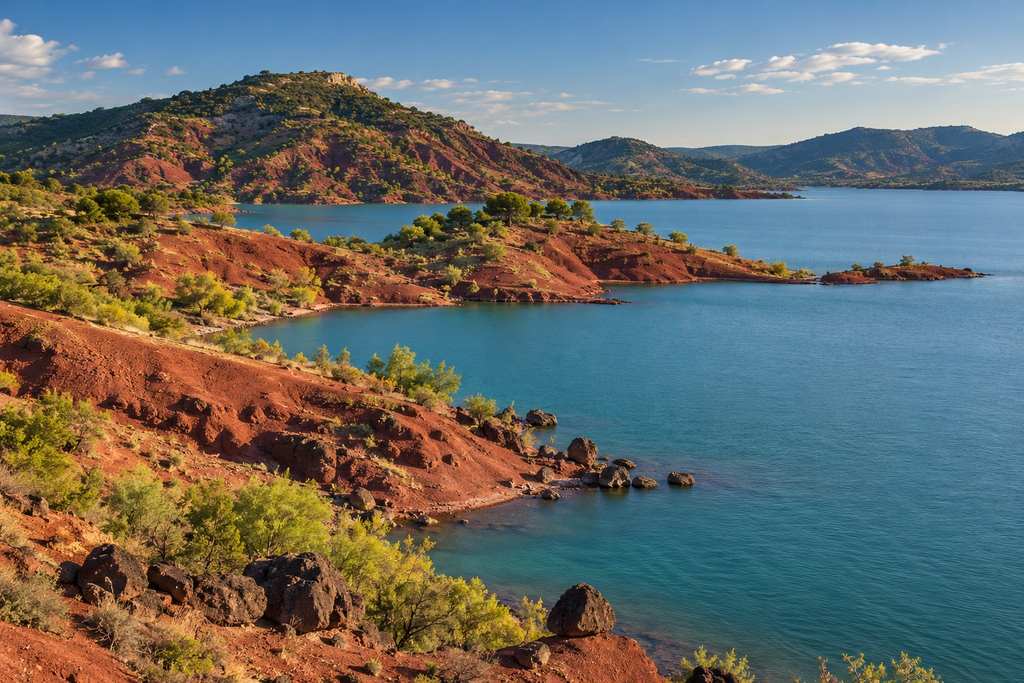
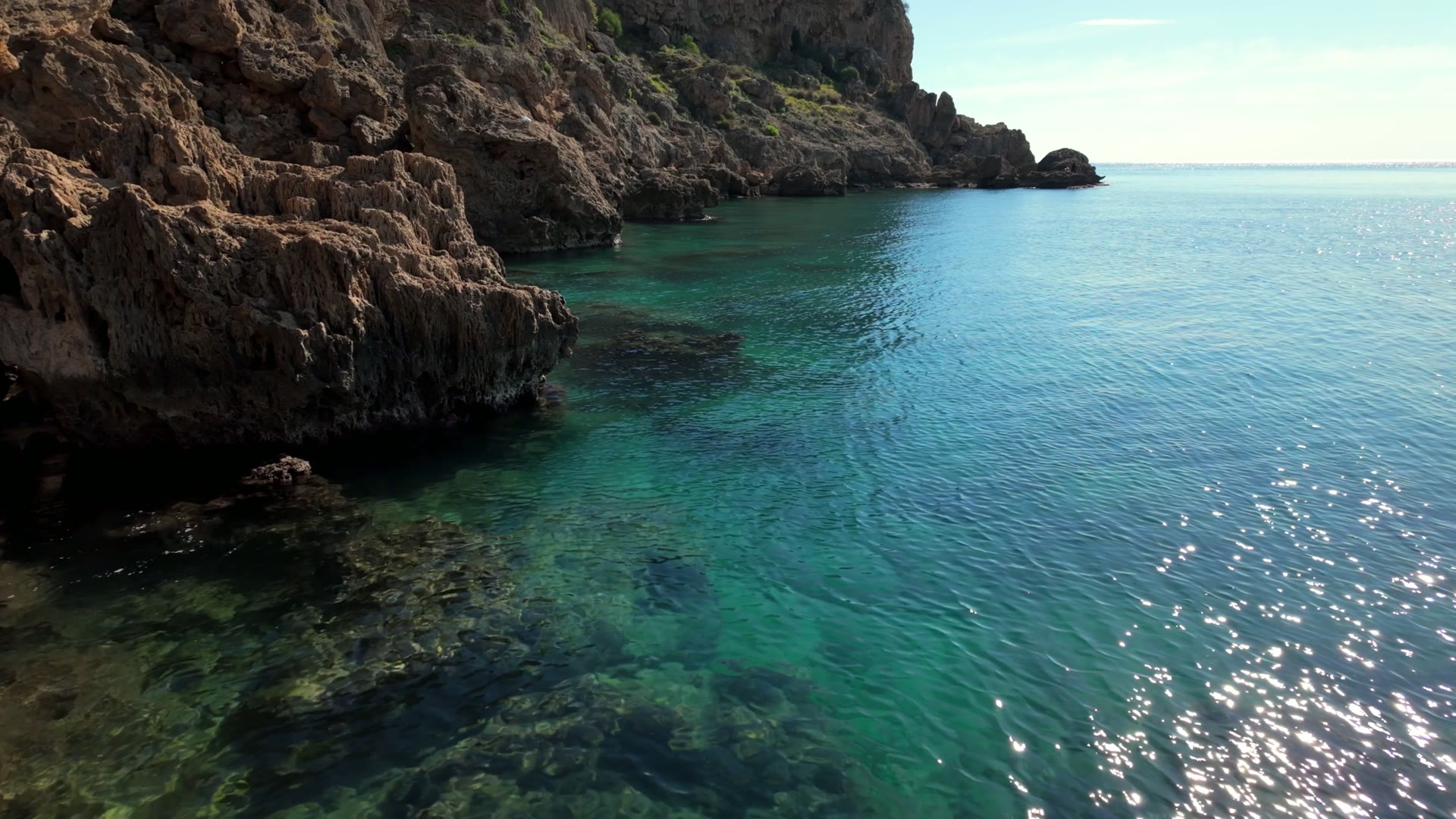
Blood-red hills plunging into turquoise water: the Lac du Salagou offers one of the most striking landscapes in the Hérault. Created by a dam completed in 1969 between Lodève and Clermont-l’Hérault, in the Occitanie region, the lake covers about 750 hectares in a valley of ruffes, clays rich in iron oxide. Together with the neighbouring Cirque de Mourèze, the area received the Grand Site de France label on 1 July 2024 and welcomes some 550,000 visitors every year. Here is how to enjoy the Lac du Salagou with family or friends: swimming, hiking, water sports, heritage and practical tips.
The colour of the hills comes from the ruffes, or pelites, sediments deposited during the Permian period in the Lodève basin. The iron oxide they contain gives them their deep red, which contrasts with the blue of the water. Black basalt flows and limestone reliefs complete a setting recognised for its geology. For the best light, come at the end of the day, when the low sun sets the slopes ablaze.
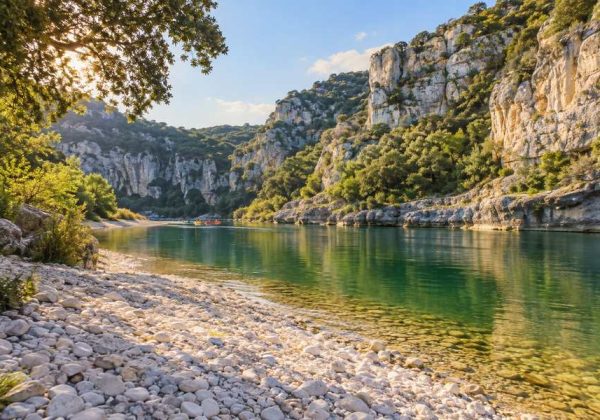
Around the Lac du Salagou, several natural beaches are checked every summer, such as Le Mas in Celles or the old road at Liausson, both rated good quality in the 2026 samples. The banks often slope gently and offer little shade: bring a parasol, water and suitable shoes. All access is forbidden within 200 metres of the dam. In high summer, the shores are very busy at weekends: arrive early to find a parking space. In Octon, the Relais nautique is another access point popular with families, and fishing is also practised from the banks.
The Lac du Salagou lends itself to board and paddle sports. Two centres welcome the public:
Opening times change with the season: check before you come, especially outside July and August.
At 535 metres, the highest point in the area offers the best panorama over the peninsulas and the ruffes. The loop of about 7 km takes 2 to 3 hours, with a steady climb.
Waymarked paths let you walk or mountain-bike around the lake in sections, on a walk between red rocks and turquoise water. The stretch across the Rouens peninsula, with its dark boulders on red earth, is one of the most photographed. In summer, set off early: shade is rare.
A few kilometres to the south-east, the Cirque de Mourèze is a chaos of white rocks sculpted by erosion. The classic 7.5 km loop from the village takes 2.5 to 3 hours with just over 400 metres of ascent; with young children, choose the shorter Sentier des Courtinals. The visitor centre on site provides information.
When the dam was built, Celles was due to be submerged in a second filling phase. Its eighty or so inhabitants were expropriated, but the water never reached the houses: the second phase never happened. Long abandoned, the village is coming back to life step by step, with about thirty inhabitants and a restoration project backed by the Grand Site. Some lanes remain closed for safety; you can see the church of Saint-Géniès among other things. Respect the place: people live here.
Garrigue, dry grasslands and vineyards are home to protected birds, including the ortolan bunting and the Dartford warbler: the area is a Natura 2000 special protection area of almost 12,800 hectares, designated in 2003 for some twenty bird species of European interest. To protect them, stay on the paths, do not light fires and do not drive on the banks.
At the Lac du Salagou, July and August are the months for water sports, but also for intense heat and crowds. Spring and autumn are perfect for walking, with brighter colours on the slopes. In winter, the area is quiet and the light superb, but most accommodation and rental outlets are closed.
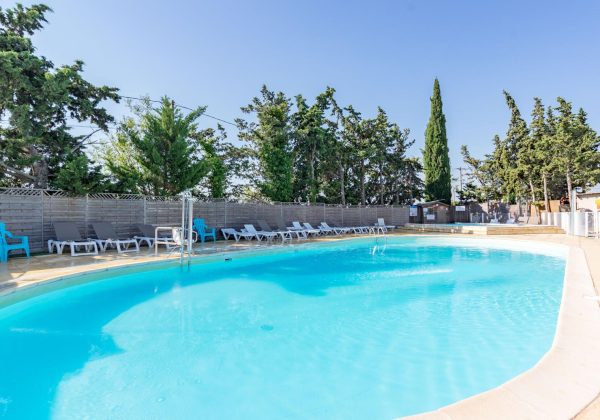
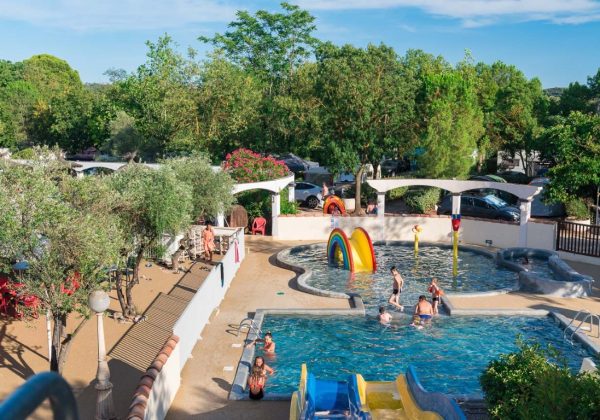
Two campsites are right on the shores, including a naturist one, and half a dozen others are by the Lergue or the Hérault, between Lodève, Canet, Gignac and Fontès, about a quarter of an hour’s drive away. Compare their pools, accommodation and distance to the water in our selection of waterside campsites near the Lac du Salagou.
Campsites marked “Partner” are Aimer Camper members and are shown first. All results match your search.