
Blog
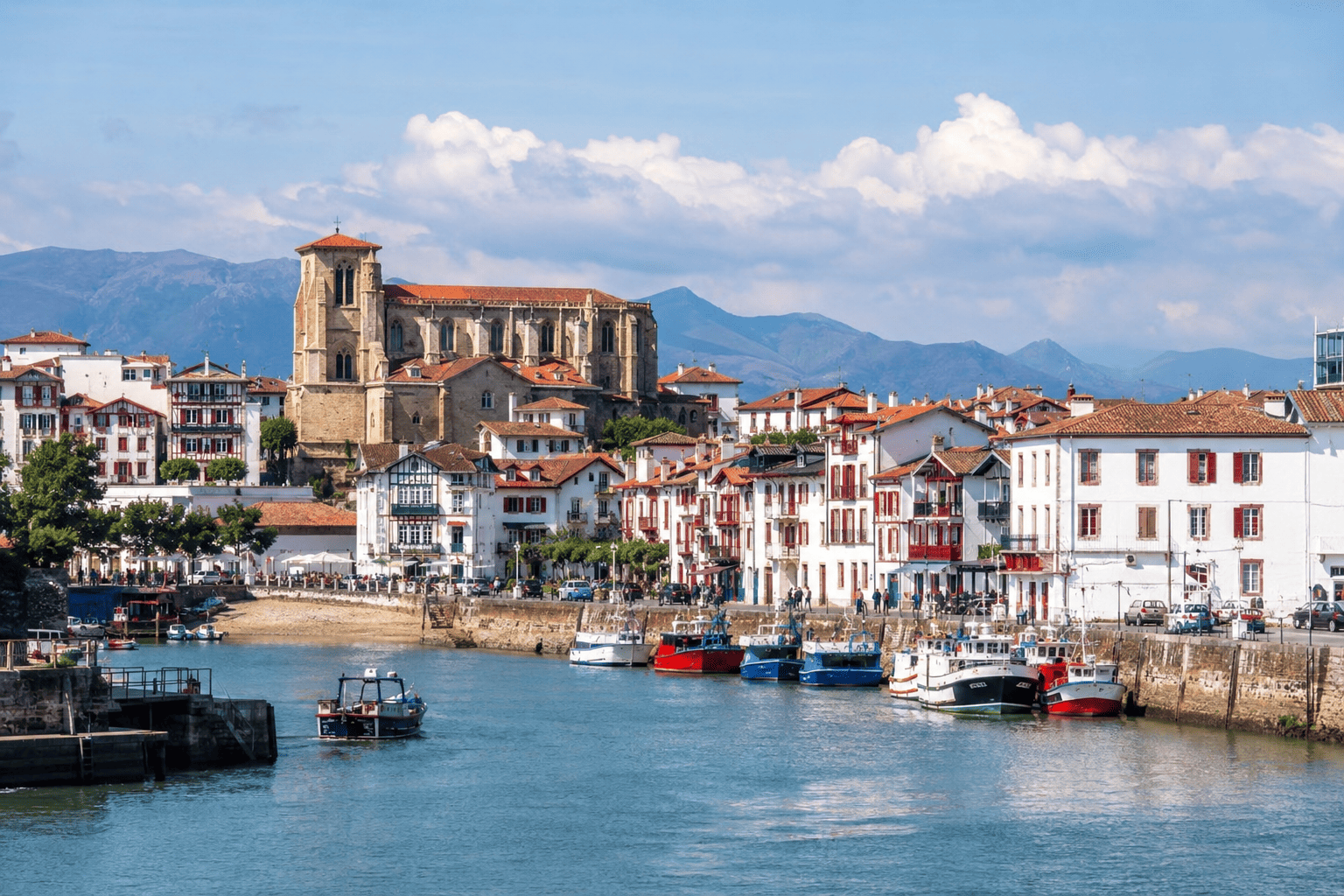
The Basque sky is known for its changeable moods: brief showers in the morning, full sunshine in the afternoon, or the other way round. What can you do in Saint-Jean-de-Luz when the weather turns fickle? Between its sheltered bay, its old town of half-timbered houses and its foodie addresses, this Basque resort has a plan for every scenario.
Several campsites on the bay make an ideal base for exploring this town whatever the weather.
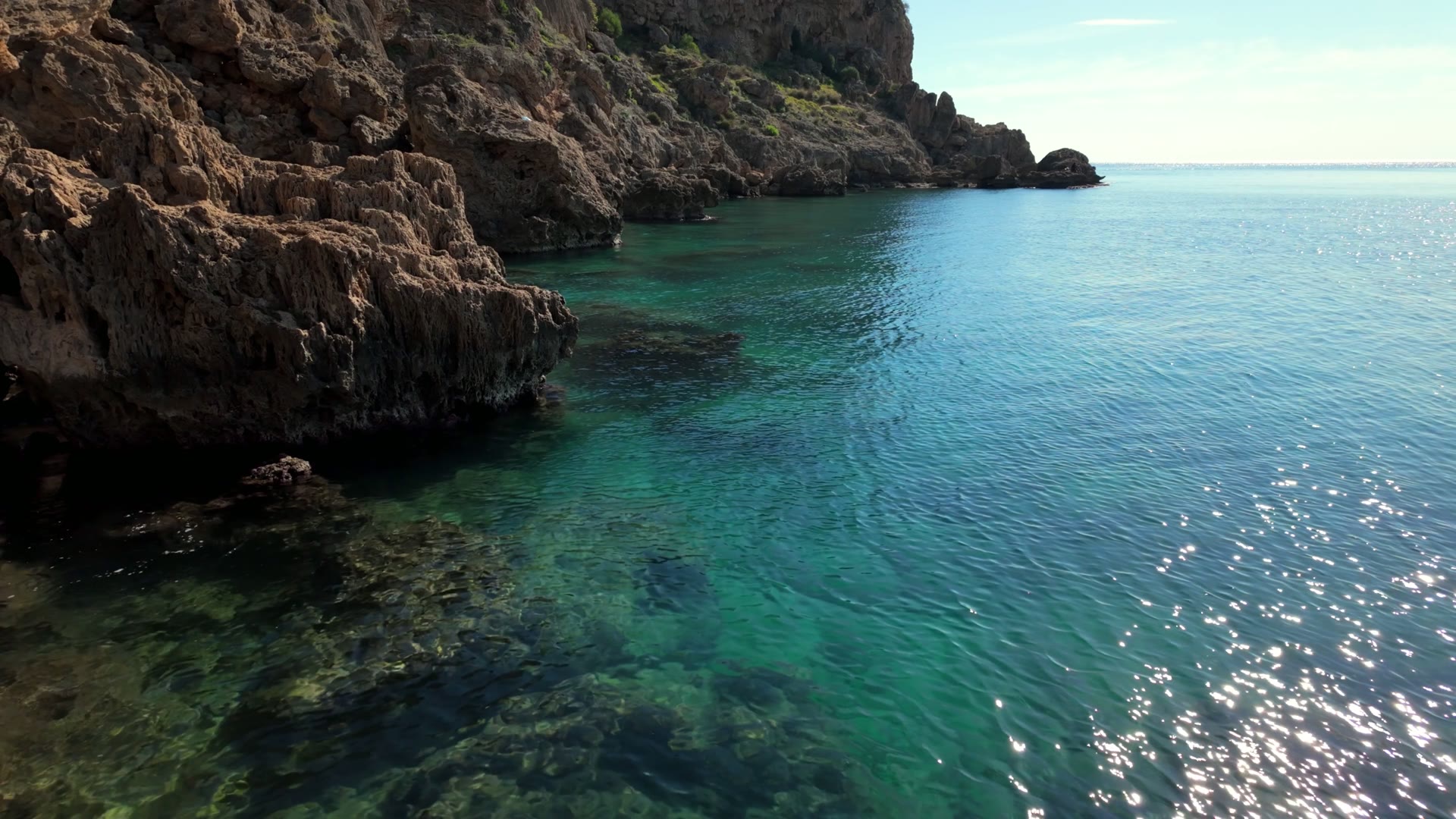
When the Basque sun comes out, Saint-Jean-de-Luz is made for spending time outdoors, between swimming, coastal walks and water sports. The bay, sheltered by 3 breakwaters, guarantees ideal conditions for families, while the more exposed neighbouring beaches attract surfers.
The Grande Plage unfurls its wide stretch of fine sand right in the heart of the resort, lined by its famous seafront promenade. To venture a little further, the coastal path heads north towards the Pointe de Sainte-Barbe and its panorama over the bay, or south to Fort de Socoa via the Basque corniche. For board sports, Plage de Lafitenia, just a few minutes away by car, welcomes both beginner and experienced surfers. Finally, the bay itself is well suited to paddleboarding, sailing or boat trips departing from the harbour.
When the rain sets in, Saint-Jean-de-Luz still has plenty to offer: rich historic heritage and a top-notch food scene, all within a compact town centre you can explore on foot.
The Maison Louis XIV, which hosted the king during his marriage to Marie-Thérèse of Spain, can be visited with an audio guide retracing the event. Right next door, the Church of Saint-Jean-Baptiste, where the ceremony took place, has the largest church nave in French Basque Country, lined with carved wooden galleries.
Maison Adam makes its famous macaron following the recipe created for the 1660 royal wedding. A rainy day is also the perfect excuse for a Basque cooking workshop, a visit to a chocolate maker, or an afternoon at the Hélianthal seaside spa.
Some stops work whatever the weather in Saint-Jean-de-Luz, from morning to evening. The harbour, the covered market and the old town make up the 3 essentials to include in any stay.
The fishing harbour, one of the last traditional working harbours on the Basque coast, still welcomes tuna and anchovy fishing boats. You can watch the morning catch come in, then dine on a sharing board at sunset. The covered market, open every day in season, brings together local producers: Espelette pepper, Ossau-Iraty cheese, Bayonne ham and fresh fish. As for the old town, it’s best explored on foot around Place Louis XIV, among shipowners’ houses in Basque colours and shops selling espadrilles, Basque linen or traditional pastries.
Beyond the weather, every season in Saint-Jean-de-Luz has its own atmosphere and highlights. Here’s a season-by-season guide to help you plan your stay at the right time.
So, ready to experience the unique atmosphere of Saint-Jean-de-Luz, whether under the Basque sun or a passing shower? Discover our campsites on the bay in Saint-Jean-de-Luz today, and enjoy the resort in any weather, from spring through to winter!
The best time to visit Saint-Jean-de-Luz depends on what you’re after. Late spring and early autumn offer a good compromise between mild weather, lovely light and moderate crowds. Summer remains ideal for swimming, despite the crowds, while winter suits those who love authenticity and Basque gastronomy.
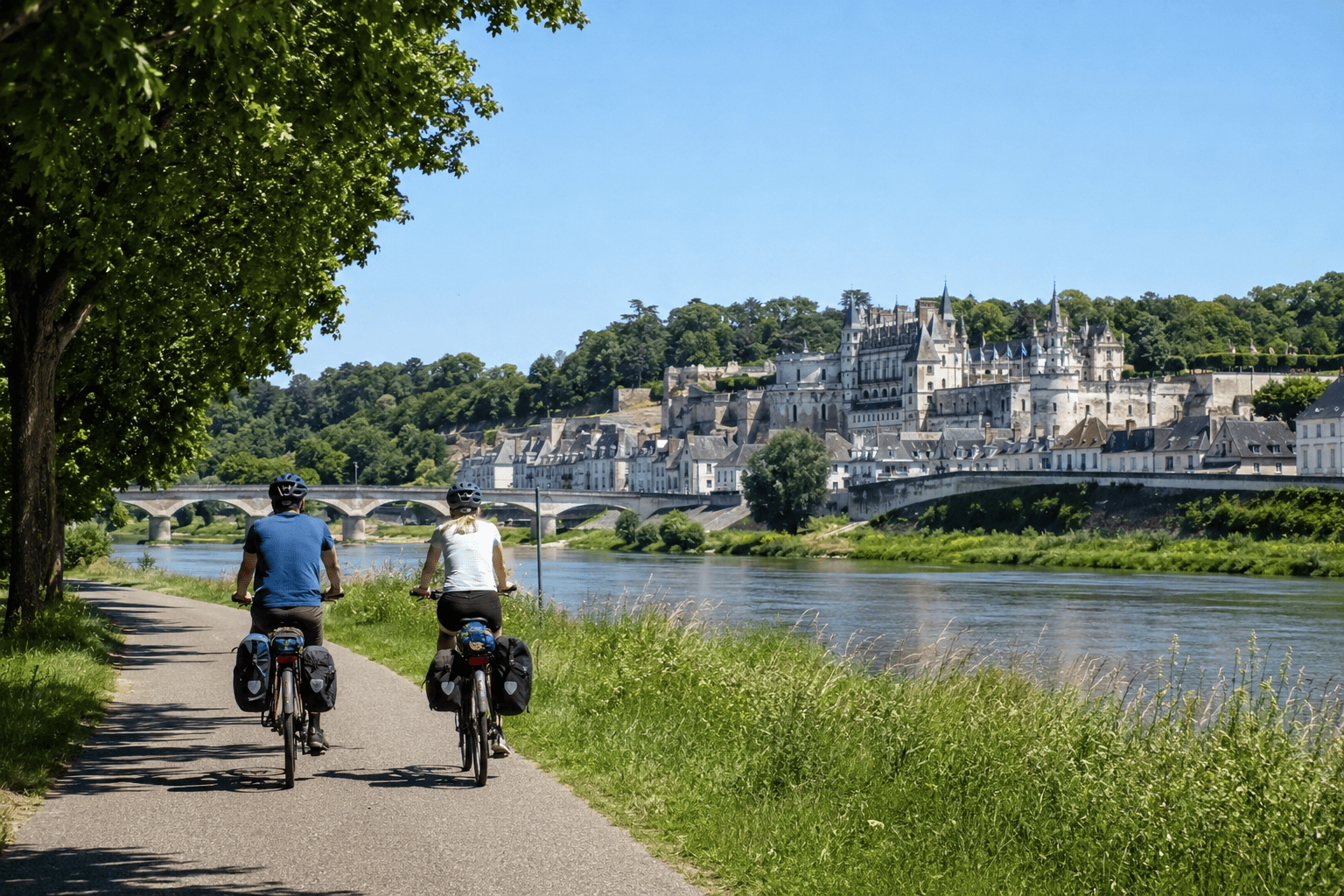
No, the town centre and bay of Saint-Jean-de-Luz can easily be explored on foot or by bike. The train station is just a few minutes from the harbour, and the coastal path links the resort to Hendaye, Ciboure and Socoa. A car becomes useful for venturing into the Basque hinterland or to more remote beaches.
When it rains in Saint-Jean-de-Luz, several reliable options take over: visiting the Maison Louis XIV and the Church of Saint-Jean-Baptiste, a tasting at Maison Adam, a Basque cooking workshop, or an afternoon at the Hélianthal spa. Pintxos bars then liven up the evenings.
Free activities in Saint-Jean-de-Luz include a walk along the Grande Plage and its promenade, exploring the old town and Place Louis XIV, the coastal path towards Sainte-Barbe or the Basque corniche, and a stroll around the fishing harbour. The Church of Saint-Jean-Baptiste can also be visited freely.
No, swimming is mainly enjoyed from June to September, when the water temperature becomes comfortable. However, the bay, sheltered by 3 breakwaters, guarantees milder conditions than the exposed beaches of the Basque coast, which slightly extends the season into spring and autumn.
To visit Saint-Jean-de-Luz at a relaxed pace, allow 2 to 3 days. One day lets you discover the historic centre, the harbour and the Grande Plage. The second gives you time to reach Ciboure, Socoa and the Basque corniche. With an extra day, you can venture further into the Basque hinterland or to the nearby Spanish coast.