


Blog
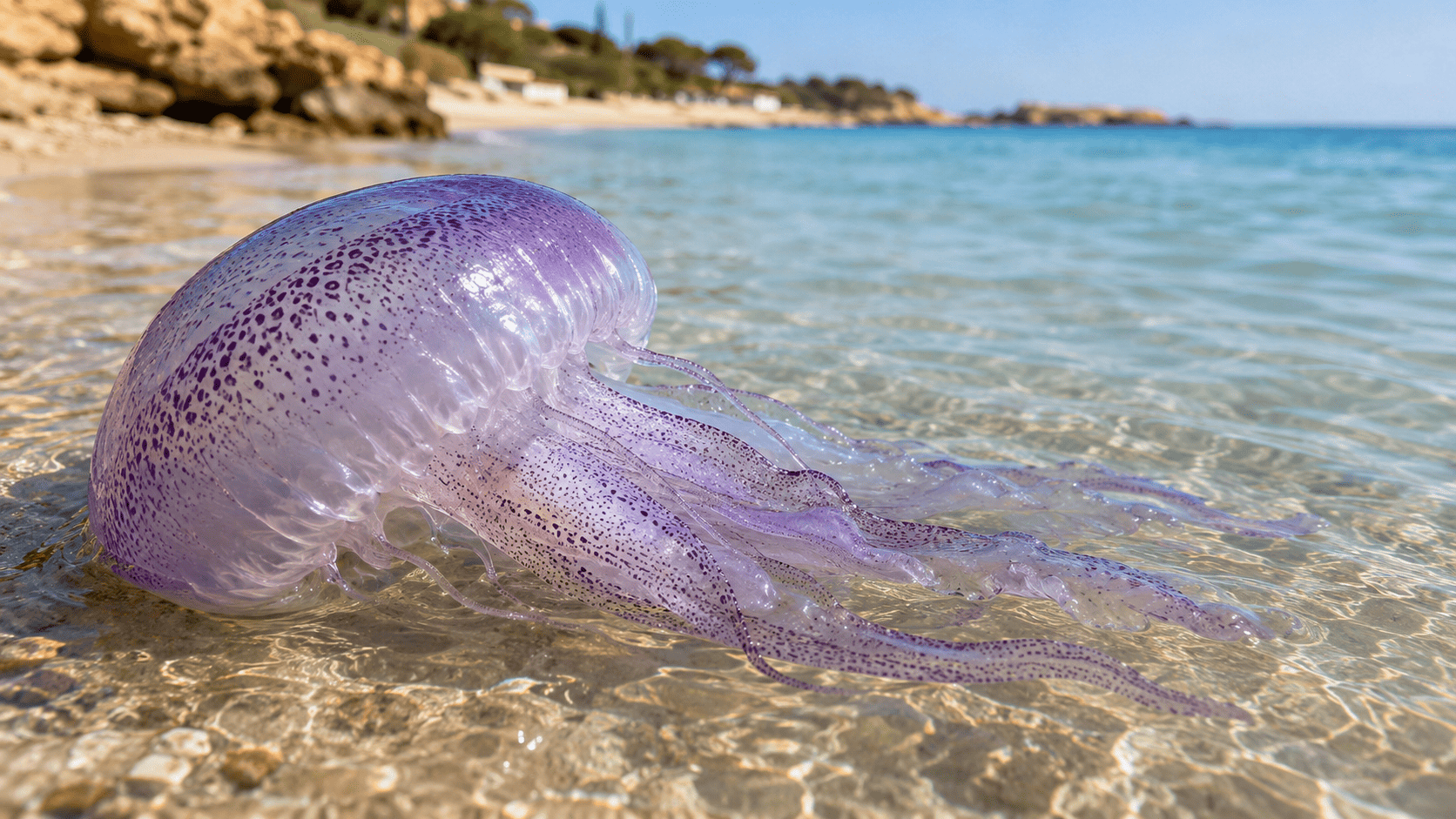
A jellyfish sting causes sharp pain and a red mark on the skin, but the vast majority of stings encountered on the French coast remain mild. Enjoying a stay at a seaside campsite when your swim turns into an unpleasant surprise? What to do comes down to a few simple steps; however, several popular myths can make things worse.
Here’s what actually helps, and the myths to forget!
In the event of a jellyfish sting, the priority is to get out of the water, rinse the area with seawater, then remove any stinging filaments before applying an antiseptic. Following this sequence in the first few minutes limits venom release and speeds up relief.
Rinsing with seawater deactivates any stinging cells still stuck to the skin. Fresh water, on the other hand, triggers their release and makes the pain worse. Once the area has been rinsed, the translucent filaments should be removed without rubbing, using a rigid card or tweezers. A skin antiseptic, followed by tolerable heat for 20 to 40 minutes, completes the treatment. Keep an eye on the area over the following hours to catch any unusual reaction.
Good to know: the ideal beach-bag kit comes down to 3 items: a skin antiseptic, tweezers and an antihistamine cream. If you’re unsure about the species or the reaction, the first-aid post found on supervised beaches remains the best option.
Several tips have circulated for generations to ease a sting, with no scientific basis whatsoever. Some even make matters worse, spreading the venom over a wider area. Ruling them out from the start changes how the sting develops.
Here are the well-meaning but false ideas to forget:
Vinegar lingers in many childhood memories because it works on certain tropical species, such as Pacific box jellyfish. For the mauve stinger or barrel jellyfish found on the French coast, its benefit has not been demonstrated.
Once the skin has been cleaned, the burning sensation lingers for several hours, and the area remains red and sensitive. In the vast majority of cases, the pain fades within 48 hours at most, and the mark heals within 1 to 2 weeks.
Applying heat, in the form of tolerably hot water around 40 to 45°C or a heat pack, helps break down the toxins during the first few hours. An antihistamine cream or a local corticosteroid, recommended by a pharmacist, soothes itching. Taking a simple painkiller (paracetamol) can help with persistent pain.
Over the following days, it’s best to avoid scratching the area, keep the skin clean, and protect it from the sun with an opaque dressing or clothing. The red mark may leave slight pigmentation for a few weeks, though this is nothing to worry about.
“Every season, our seaside partners see worried families after a sting. The right habit is to always pack a small emergency kit in the beach bag, and to head to the first-aid post as soon as a yellow or red flag signals the presence of jellyfish.”
A typical jellyfish sting can be managed without medical intervention, but certain situations call for an emergency call without delay (dial 15 in France, or 999/112 in the UK). Acting quickly limits the risk of complications, particularly in young children and people with allergies.
Several signs should prompt an immediate call to emergency services, rather than waiting for symptoms to fade on their own.
Certain people should always seek a consultation, even for a seemingly mild sting.
During a seaside stay, jellyfish presence is monitored by health authorities on many French beaches. Warning flags and signs indicate periods when numbers spike.
Planning your next stay by the sea or a lake and looking for a waterside campsite to make the most of your swims? On our site, you’ll find more than 3,600 campsites located right next to a body of water, all across France!
The pain from a jellyfish sting lasts from a few hours up to 48 hours, at its most intense within the first hour. The red mark on the skin, along with intermittent itching, persists for 1 to 2 weeks before healing completely. Pain or redness that spreads beyond this calls for a prompt medical consultation.
After a jellyfish sting, the recommended treatment combines a skin antiseptic (chlorhexidine or equivalent) and, in cases of significant itching, an antihistamine cream available over the counter at a pharmacy. For persistent pain, a pharmacist may suggest a local corticosteroid. Taking oral paracetamol helps ease a stubborn burning sensation.
Avoiding jellyfish at the beach means checking the warning flags and information signs at the entrance to the first-aid post. Mass arrivals are often reported on local tourist office websites and on beach-monitoring apps. Wearing a wetsuit or rash vest significantly reduces the risk of direct contact.
If a child is stung by a jellyfish, calmly get them out of the water, reassure them, and follow the same steps as for an adult: rinse with seawater, remove the filaments, apply antiseptic, then tolerable heat. For a child under 6, a medical consultation is still recommended even if the sting appears mild.