

1. Home
  2. ›
  3. Guides & tips
  4. ›
  5. La Loire à Vélo: stages, the château section and tips
Centre-Val de Loire

La Loire à Vélo: stages, the château section and tips

Published on 8 November 2026 · 5 min read
Théo By Théo
La Loire à Vélo: stages, the château section and tips

Key takeaways

La Loire à Vélo links Cuffy, near Nevers, to Saint-Brevin-les-Pins over about 900 km including variants, with some 630 km of main route, and forms the westernmost French section of EuroVelo 6. Almost flat and well signposted, it crosses the UNESCO-listed Loire Valley. Around Blois and Chambord, the Châteaux à vélo loops allow a hub-and-spoke stay. Swimming in the Loire is dangerous because of shifting sandbanks.

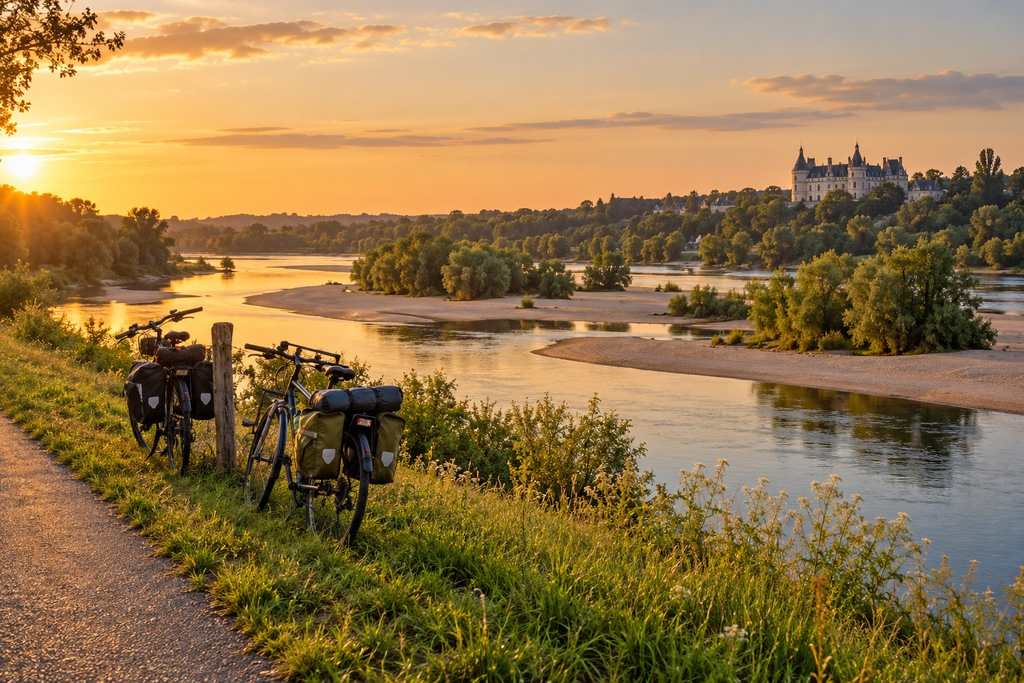
Following the river along the embankments, between sandbanks, wooded islands and tufa-stone villages, with a château in sight at every stage: La Loire à Vélo is one of the most famous cycle routes in France. Almost flat, well signposted and dotted with stops by the water, it suits families as well as long-distance cyclists.

Here is how to plan your trip on La Loire à Vélo: the route, the finest stages, the château section around Blois and Chambord, our practical tips and where to sleep by the water.

La Loire à Vélo at a glance

Information At a glance
Route From Cuffy, near Nevers, to Saint-Brevin-les-Pins, opposite Saint-Nazaire
Distance About 900 km including variants, with some 630 km of main route
Network The westernmost French section of EuroVelo 6, from the Atlantic to the Black Sea
Difficulty Low: almost flat terrain, cycle paths and quiet minor roads
Heritage The Loire Valley, a UNESCO World Heritage site
Best time From May to September, with a quieter spring and early autumn

A route along the last wild river

La Loire à Vélo follows the Loire from Burgundy to the ocean. The route often runs along the levées, embankments built over the centuries to protect the valleys from floods, from which you look down on the river, its sandbanks and its willow-covered islands. The signposting, recognisable by its logo, is continuous along the whole route. It forms the westernmost French section of EuroVelo 6, the long-distance cycle route linking the Atlantic to the Black Sea.

Between Sully-sur-Loire and Chalonnes-sur-Loire, the valley is listed as a UNESCO World Heritage site for its cultural landscapes: châteaux, historic towns, vineyards and villages built of tufa stone.

The finest stages

  • Orléans to Blois: the Loire widens, with Beaugency and its medieval bridge, then the first views of the châteaux;
  • Blois and Chambord: the heart of the Loire châteaux, with loops reaching deep into the Chambord forest;
  • Amboise to Tours: the royal château of Amboise, the Clos Lucé and the Vouvray hillsides;
  • Saumur and the tufa hillsides: troglodyte houses, cellars and vineyards by the water;
  • Nantes to the ocean: the estuary, its marshes and the finish opposite the Saint-Nazaire bridge.

The château section around Blois and Chambord

Around Blois, the route is complemented by the Châteaux à vélo network, a series of signposted loops linking the great estates of the Loir-et-Cher. You can ride from the Loire to Chambord on quiet lanes, cross part of its vast forest, then carry on to Cheverny. It is one of the most pleasant sections for a hub-and-spoke stay: you keep the same accommodation and explore a new loop each day, without luggage.

Can you swim in the Loire?

The Loire is beautiful but dangerous. Its sandbanks are not compact: the current can wash them away and cause collapses underfoot, and the riverbed constantly changes, with holes invisible from the bank. Swimming is banned or strongly discouraged in many municipalities. Enjoy the banks for picnics and birdwatching, and keep swimming for designated lakes and pools.

Our practical tips

  • pace: 40 to 60 km a day leaves time to visit a château and linger by the water;
  • season: in July and August, book your accommodation; in May, June and September, the roads are quieter;
  • wind: it often blows from the west, so setting off from the ocean and heading upstream helps if you dislike headwinds;
  • bike: a touring bike or an e-bike is enough, and you can rent one in the main towns and from many accommodation providers;
  • getting back: some regional trains along the Loire accept bikes, so check conditions and bookings before you set off;
  • accommodation: the Home Vélo label identifies places suited to cyclists (shelter, tools, information).

Where to sleep by the water?

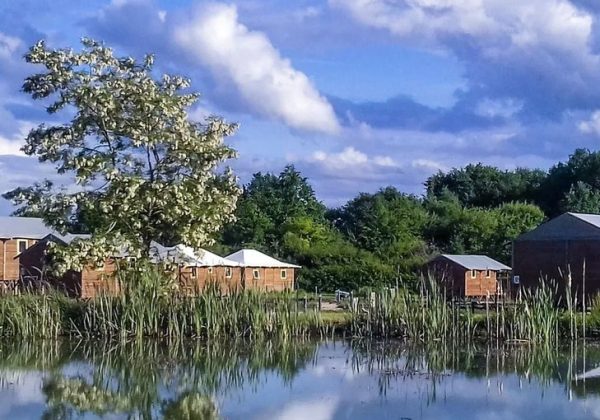
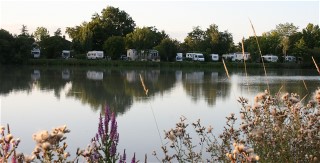
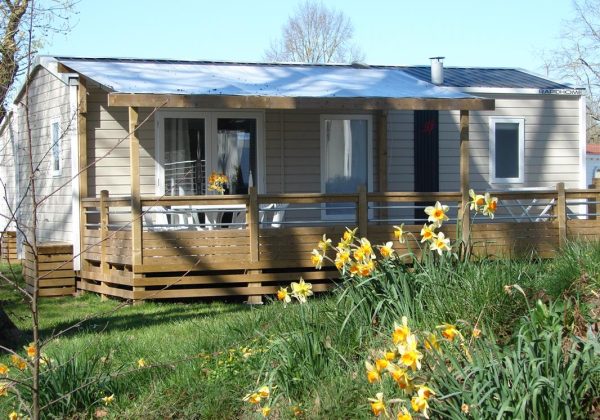
To explore the château section from a single base, stay near Chambord. In Mont-près-Chambord, the campsite Les Lodges de Blois-Chambord is set around two ponds, with cottages and chalets by the water, a swimming pool to cool off and bikes for hire at reception. Also browse our riverside campsites in the Loir-et-Cher and all our waterside campsites in the Loir-et-Cher.

Our verdict

La Loire à Vélo is the ideal route for discovering France by bike without pushing yourself too hard: flat terrain, water, châteaux and superb villages. For a first experience, choose the château section between Blois and Amboise, and settle somewhere quiet near Chambord to ride out on loops. The most motivated will carry on to the ocean.

Share on Facebook LinkedIn
Théo
Théo
Product Manager Aimer Camper, spécialiste SEO HPA

Théo Mercier-Balaz pilote les portails camping du réseau Aimer Camper depuis plus de dix ans, au contact quotidien des campings partenaires.

frequently asked questions

Frequently asked questions about La Loire à Vélo

How many kilometres is La Loire à Vélo?
About 900 km including variants and loops, with some 630 km of main route between Cuffy, near Nevers, and Saint-Brevin-les-Pins, opposite Saint-Nazaire.
Is La Loire à Vélo difficult?
No. The terrain is almost flat, the route follows cycle paths and quiet minor roads, and the signposting is continuous. Allow 40 to 60 km a day to enjoy the visits.
What is the most beautiful section of La Loire à Vélo?
The château section between Blois and Tours is the most renowned: Blois, Chambord via the Châteaux à vélo loops, Amboise, then the Vouvray hillsides.
Can you swim in the Loire?
It is dangerous: sandbanks can collapse under the effect of the current and the riverbed constantly changes. Swimming is banned or discouraged in many municipalities; choose designated lakes and pools instead.
When should you ride La Loire à Vélo?
From May to September. July and August require booking accommodation; May, June and September offer quieter roads and pleasant temperatures.
Where to sleep near Chambord on La Loire à Vélo?
In Mont-près-Chambord, the campsite Les Lodges de Blois-Chambord offers cottages and chalets beside two ponds, a swimming pool and bike hire at reception.
nearby

Campsites by the water in Loir-et-Cher

also worth reading

Related articles

Campings Bord de l'eau
Privacy policy summary

This site uses cookies so that we can provide you with the best possible user experience. Cookie information is stored in your browser and performs functions such as recognizing you when you return to our website and helping our team understand which sections of the site you find most interesting and useful.